Surabaya, April 22, 2026 – A coalition of civil society organizations consisting of WALHI East Java, ECOTON, and PPLH Bali has released the results of an in-depth investigation into several plastic credit projects in Indonesia. The investigation reveals that a scheme often claimed as an innovative solution to the plastic crisis in fact contains a range of fundamental problems, from operational failures to environmental and public health impacts.
Plastic credit is a plastic waste offset scheme, in which companies provide funding to projects focused on the collection, management, or recycling of plastic waste to “balance out” the amount of plastic they produce.
“The plastic credit scheme is a false solution to waste management problems, particularly plastic. It fails to address the root causes within Indonesia’s waste management system. Producers still have the freedom to continue production without strict government oversight, which ultimately encourages the neglect of responsibility for the impacts of their products,” said Pradipta Indra Ariono, Executive Director of WALHI East Java.
Three Major Projects in the Spotlight
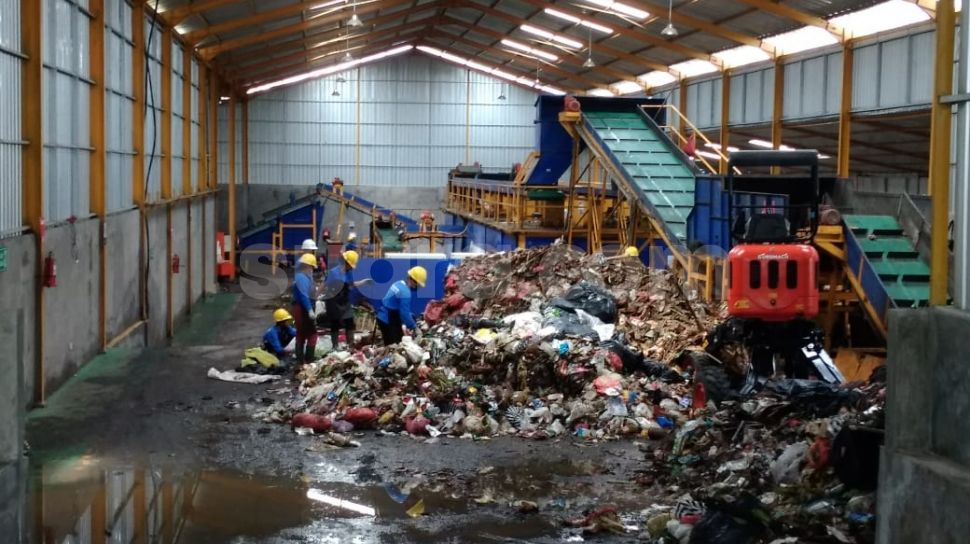
In this investigation, the coalition examined three major projects registered under Verra’s Plastic Waste Reduction Standard: Project STOP in Banyuwangi; the Danone-AQUA/Reciki project at TPST Samtaku Jimbaran, Bali; and the SEArcular–Greencore project in the Gresik and Surabaya areas. These projects sell plastic credits to global corporations as a form of compensation for their plastic production, while promoting a narrative that plastic pollution can be “neutralized” through market-based mechanisms.
However, findings from the field reveal a different reality. In Banyuwangi, Project STOP, initially promoted as a circular economy model, has experienced a significant decline after external funding ended. Waste management facilities that were previously established are no longer operating optimally; infrastructure has deteriorated and is poorly maintained; and service capacity has dropped considerably. A project that once targeted service expansion to hundreds of thousands of residents lacks a sustainable financing scheme and is not integrated into the local government budget.
“This scheme reflects only superficial success, as its indicators are more administrative than ecological. Companies can claim success without actually reducing plastic production. As a result, the main source of the problem—namely the high level of plastic production—remains unaddressed within this scheme,” said Pradipta Indra Ariono, Executive Director of WALHI East Java.
Real Impacts on the Ground: Environmental and Health Risks
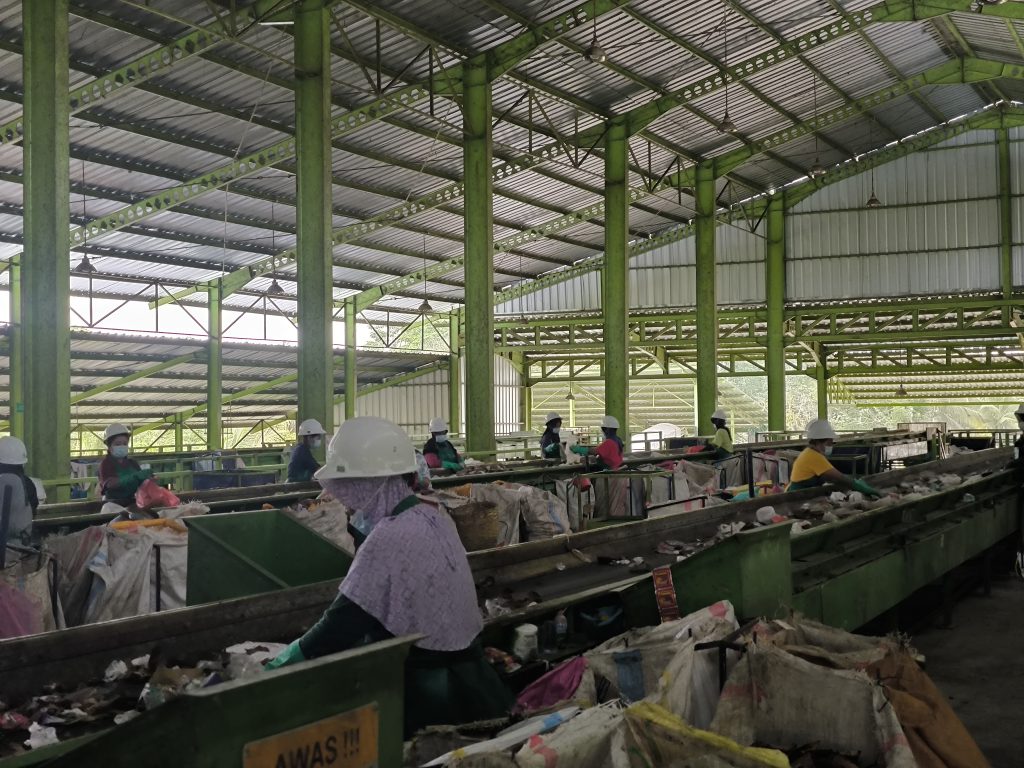
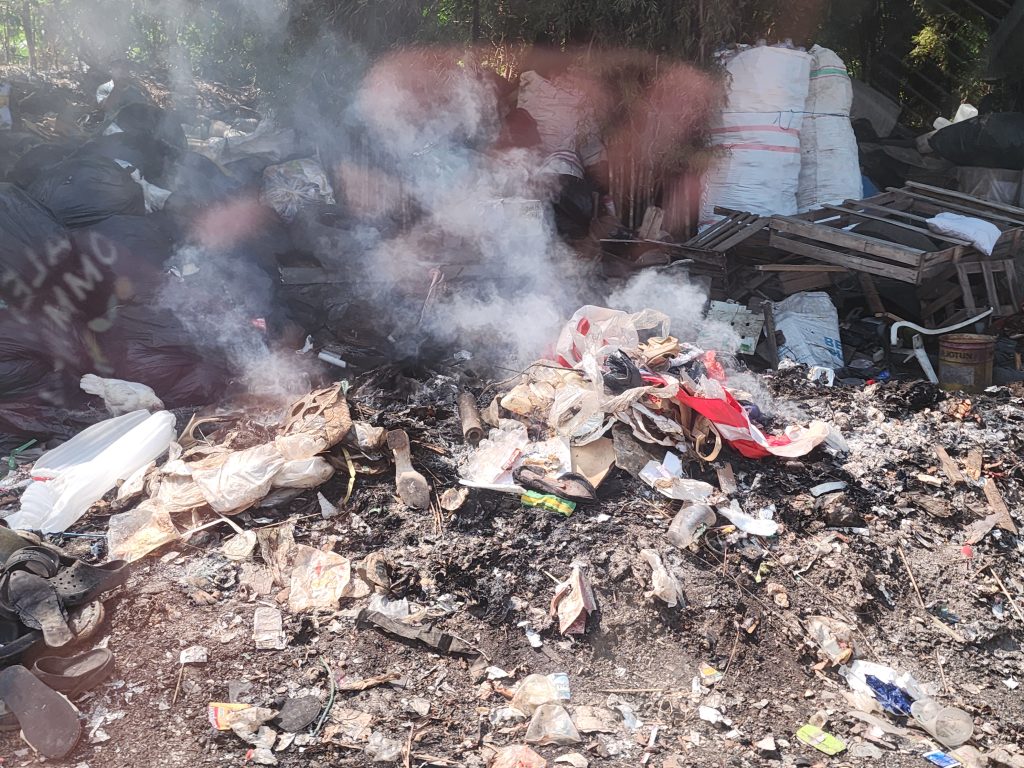
A similar situation has also been found in other locations. In Bali, the TPST Samtaku facility in Jimbaran—part of the Reciki project—has triggered community protests due to foul odors, environmental pollution, and alleged health impacts. The facility was eventually shut down following public opposition. Meanwhile, in Gresik and Surabaya, plastic waste with little to no economic value is often managed through open burning or processed into fuel such as RDF (Refuse-Derived Fuel), which has the potential to generate hazardous emissions, including dioxins and furans.
“The TPST Samtaku case should serve as a serious warning to the government that poorly planned waste management systems risk failure and pose threats to both the environment and public health. This incident must be taken as a lesson to prevent similar occurrences elsewhere. Practices such as burning and RDF processing, which may produce hazardous emissions, must be immediately evaluated and halted, with a transition toward safer and more sustainable waste management systems,” said Catur Yuda Hariyani, Director of PPLH Bali.
Recurring Patterns of Problems
Generally, this investigation found that plastic credit projects follow a similar pattern: they are highly dependent on external funding, are not designed for financial sustainability, and focus solely on downstream waste management without addressing the root cause of increasing plastic production. Low-value plastics, such as sachets and multilayer packaging, remain inadequately managed and are ultimately burned or discarded into the environment.
Furthermore, the coalition highlighted the limited transparency within this scheme. Data regarding financial flows, profit sharing from plastic credit sales, and the environmental impact of these projects are not publicly available. Meanwhile, waste sector workers continue to face precarious working conditions, characterized by low wages and a lack of protection.
“Data transparency in plastic credit schemes remains very limited. Data on financial flows, the volume of plastic claimed to be managed, and environmental impacts should be fully disclosed to the public for independent oversight. Without transparency, project success claims cannot be verified”, said Daru Setyorini, Executive Director of ECOTON.
Plastic Credit Schemes Open the Door to Greenwashing
The ‘Plastic Credit’ scheme poses a significant risk of becoming a greenwashing practice, as it allows companies to claim responsibility for plastic pollution without actually reducing their production. Under this mechanism, companies simply pay for waste management projects to ‘offset’ their plastic footprint, while the actual impact on the ground remains difficult to verify. The lack of public data regarding the amount of plastic truly collected, processed, and prevented from entering the environment makes these claims impossible to test transparently and independently.
Furthermore, not all types of plastic waste are truly recyclable. Low-value plastics, such as multilayer packaging and sachets—which are the most commonly found—often remain unaddressed and end up being burned, landfilled, or processed into Refuse-Derived Fuel (RDF), which risks generating hazardous emissions. This situation demonstrates that the ‘management’ claims in plastic credit schemes frequently fail to reflect reality, potentially misleading the public and reinforcing the illusion that the plastic crisis is being handled.
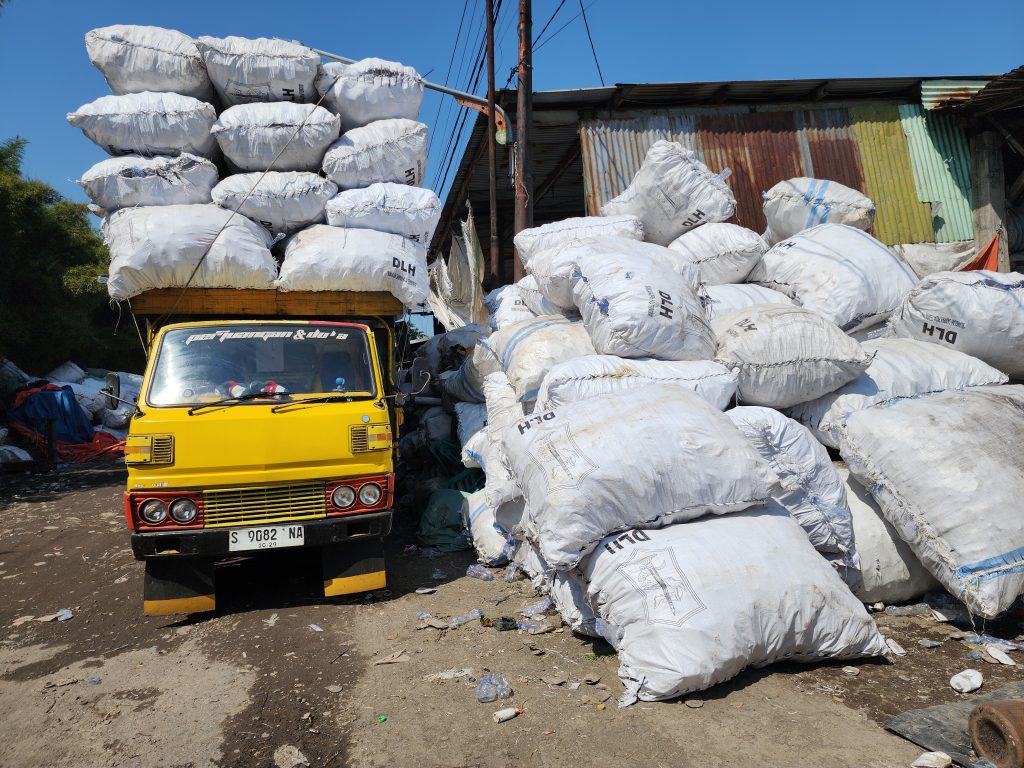
“Plastic credit schemes create a major loophole for companies to appear responsible without making real changes, while the impact of the plastic management itself is hard to verify. This is highly vulnerable to greenwashing. The case of the SEArcular Project in Gresik proves that not all plastic can be managed safely—especially sachet plastics, which end up being incinerated using thermal technology, releasing airborne toxins and posing potential health risks from exposure to compounds generated by burning plastic waste,” said Daru Setyorini, Executive Director of ECOTON.
Recommendations and Solutions
Based on investigation findings across various regions, the coalition emphasizes the urgent need for a shift in approach toward handling Indonesia’s plastic crisis. The plastic credit scheme, long promoted as a solution, has proven to be ineffective in addressing the root of the problem and risks exacerbating inequality and environmental impacts. Therefore, decisive action is required—focusing on reduction at the source, strengthening producer responsibility, ensuring transparency, and protecting both communities and workers within the waste sector
- Focus on Solutions at the Source: Limiting Plastic Production
Review plastic credit projects and shift toward upstream policy solutions, such as restricting single-use plastics and banning problematic plastic types. - Prioritize Extended Producer Responsibility (EPR) to cover the full costs of managing the waste produced
Implement the polluter pays principle by enforcing mandatory Extended Producer Responsibility (EPR), ensuring that producers are fully responsible for the costs of waste management. - The government must mandate producers to ensure full transparency across all waste management projects
Data transparency regarding financial flows and impacts must be fully disclosed and subject to public oversight. - Protect waste workers and conduct a thorough evaluation of plastic credit projects
Ensure that workers receive fair wages, protective equipment, and occupational safety guarantees. Stop all exploitative practices within plastic credit schemes, and evaluate or revoke the permits of projects proven to damage the environment and endanger the public
Contact Info:
Admin, Walhi Jatim (+6287870534304)
Admin, ECOTON (+6282226655636)
Admin, PPLH Bali (+6281237567798)
About WALHI East Java
WALHI East Java is an environmental organization and part of the national network of the Indonesian Forum for the Environment (WALHI). WALHI East Java focuses on policy advocacy, community assistance, and environmental campaigns to protect people’s living spaces from the threats of pollution, natural resource exploitation, and ecological injustice.
About ECOTON
ECOTON (Ecological Observation and Wetlands Conservation) is an environmental organization based in East Java that focuses on the protection of rivers and wetlands. ECOTON actively conducts scientific research, public education, policy advocacy, and campaigns to stop water pollution, including issues related to microplastics and industrial waste..
About PPLH Bali
PPLH Bali (Bali Environmental Education Center) is an organization engaged in environmental education, research, and community capacity building. PPLH Bali promotes sustainable waste management practices, nature conservation, and community participation in protecting the environment in Bali.
Download Full Policy Brief (bit.ly/PBkreditplastik)
 Ecoton (Ecological Observation and Wetlands Conservation) is a foundation focused on the conservation of river ecosystems and wetlands in Indonesia. We conduct scientific research, environmental education, and awareness campaigns to improve water quality and protect biodiversity.