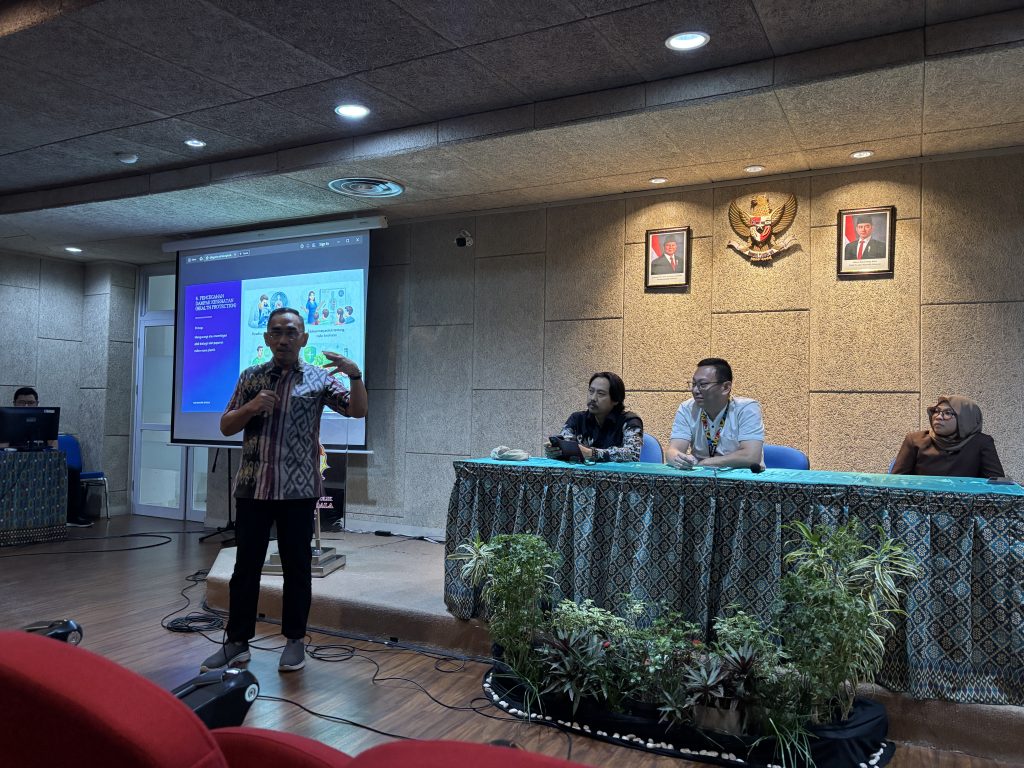
Medical Perspective: Laksamana Pertama TNI Purn. Dr. Herjunianto SpPD, MMRS, Dean of the Faculty of Medicine at UKWMS, emphasizing the critical link between environmental pollutants and public health during the FGD on microplastics.
GRESIK, March 10, 2026 – The plastic pollution crisis has officially breached the final frontier: the human body. Following a recent Focus Group Discussion (FGD) at the Universitas Katolik Widya Mandala Surabaya (UKWMS), a coalition of medical experts, academics, and Ecoton activists has confirmed a chilling reality—microplastics are now circulating in the human bloodstream.
This is no longer just an “environmental issue” relegated to our oceans and rivers; it is a systemic health emergency requiring urgent medical and policy intervention.
A Silent Threat to Our Vital Organs
The findings presented by medical experts paint a grim picture of how these tiny plastic particles wreak havoc from the inside out:
-
Cellular and Hormonal Damage: Contamination leads to cell degradation and disrupts vital hormonal systems.
-
Severe Health Risks: These particles are linked to cardiovascular blockages, diabetes mellitus, cognitive decline, and infertility.
-
A Youth Crisis: Dr. Herjunianto, Dean of the Faculty of Medicine at UKWMS, highlighted a disturbing trend: dialysis facilities in the Gerbang Kertasusila area are currently at capacity, with many patients under the age of 25.
Rehabilitating the Body: The Path to Recovery
While we fight to stop pollution at the source, the FGD experts formulated three immediate strategies to help rehabilitate cells damaged by microplastic exposure:
-
Anti-Inflammatory Nutrition: Consume turmeric (kunyit) for its anti-inflammatory properties. Incorporate fiber-rich vegetables and high-antioxidant fruits like pineapple, mangosteen, and tamarind.
-
Energy-Restoring Movement: Engage in “energy-collecting” exercises such as Tai Chi, Yoga, or meditation to facilitate cellular recovery. Avoid sports that cause excessive energy depletion, such as football or long-distance running, during the recovery phase.
-
Integrated Strategy Implementation: Adoption of the “Integrated Strategy for Handling Microplastic Impacts” to manage the crisis at a national level.
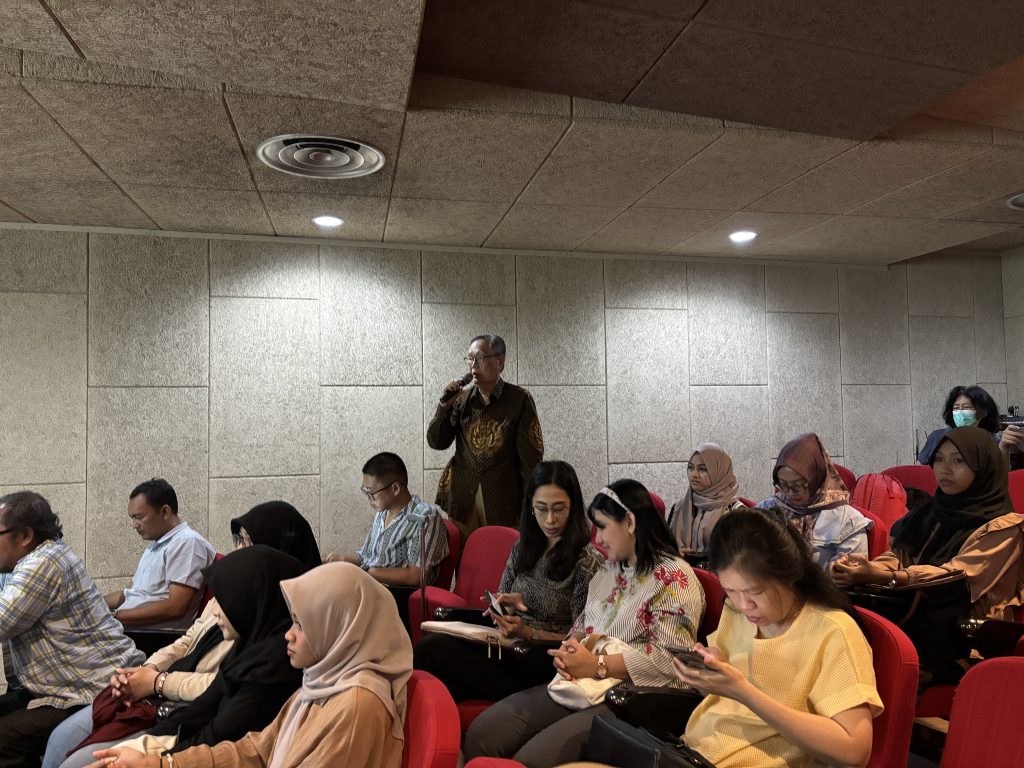
Expert Insights: Dr. Roy Hendroko Setyobudi, M.Si, presenting technical data on the health risks associated with microplastic exposure during the FGD at UKWMS Surabaya.
Ecoton’s Stance: Hold Producers Accountable
At Ecoton, we believe the burden of this crisis should not fall solely on the individual. Prigi Arisandi, M.Si, Founder of Ecoton, is clear: “Producers can no longer wash their hands of this”. They must be held responsible for the entire life cycle of their products to ensure plastic does not fragment in nature and end up in our veins.
Furthermore, research presented by Dr. Roy Hendroko Setyobudi reveals a neglected culprit: 65% of microplastics in urban air come from tire abrasion. We must demand that the automotive and infrastructure sectors innovate to lower these massive emission levels.
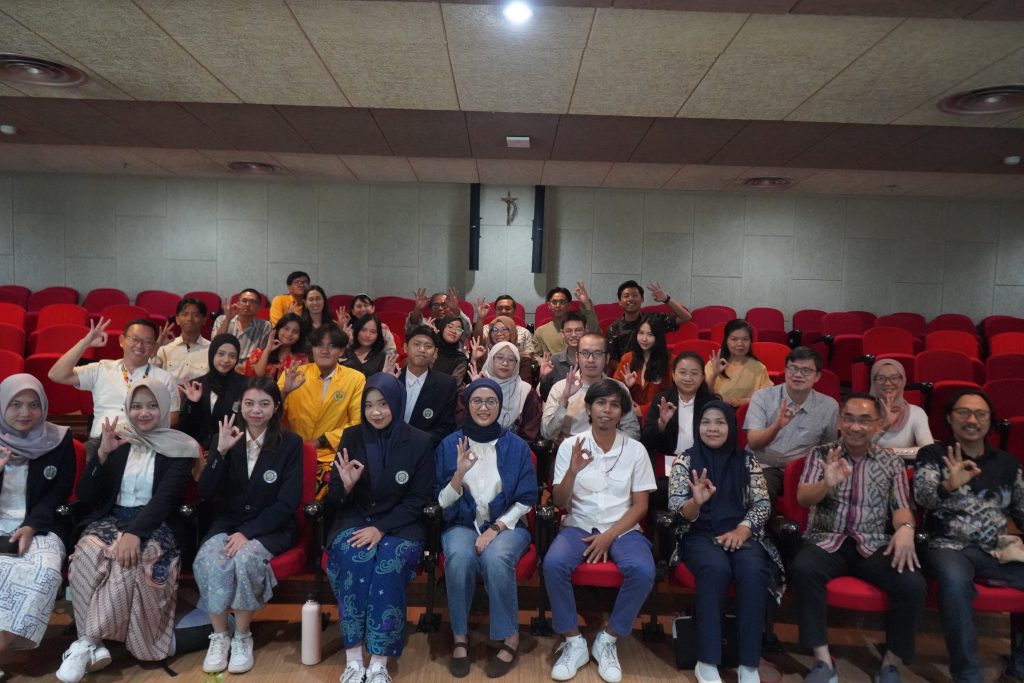
United for a Plastic-Free Future: Participants of the Focus Group Discussion at UKWMS Surabaya join Ecoton in a commitment to research and advocate for a future free from microplastic pollution.
The 6-Pillar Roadmap for Change
To protect the future of Indonesia’s health, we are calling for the implementation of these six strategic pillars:
-
Policy & Regulation: Accelerate the national ban on single-use plastics and enforce Extended Producer Responsibility (EPR).
-
Waste Management Transformation: Move toward a circular economy and invest in filtration technologies for wastewater, drinking water, and air.
-
Exposure Control: Strictly monitor microplastic levels in seafood and drinking water, and ban plastic polymers in household and beauty products.
-
Research & Innovation: Fund studies on biomarkers and medical indicators to measure human exposure levels and understand biological mechanisms.
-
Education & Behavior Change: Build a “Low-Plastic Lifestyle” culture and integrate microplastic issues into formal education and public health programs.
-
Multi-Sector Collaboration: Create a national platform for government, academia, and activists to synchronize environmental health policies.
The time for “awareness” has passed. The time for systemic intervention is now.

 Ecoton (Ecological Observation and Wetlands Conservation) is a foundation focused on the conservation of river ecosystems and wetlands in Indonesia. We conduct scientific research, environmental education, and awareness campaigns to improve water quality and protect biodiversity.