Seattle, WA. (16/12). New reports from Indonesian media and customs officials describe a rapidly growing number of 40-ft sea-going containers piling up after being seized and held in Indonesia’s Batu Ampar Port in Batam. As of December 8, according to Indonesian press reports, 822 containers have been seized,[1] with most of these reportedly being from the United States (US).
The three reported consignees of the seized containers — PT Esun International Utama Indonesia, PT Logam International Jaya, and PT Batam Battery Recycle Industries — are all under orders by the Minister of Environment to re-export these shipments back to the US. Currently, none have done so despite the mayor complaining that the Port is running out of space.
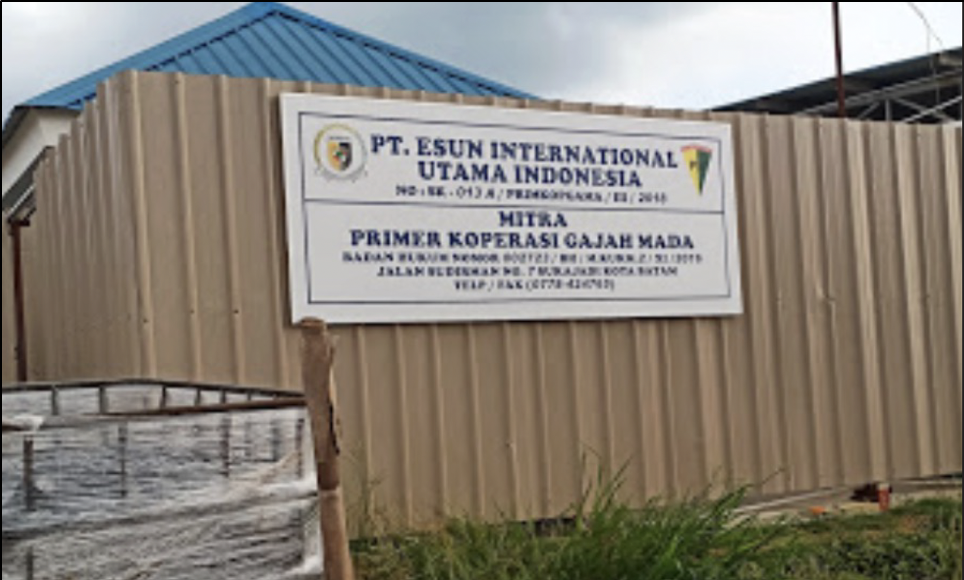
In the last year, the Basel Action Network (BAN) has been alerting Indonesian authorities to certain incoming suspect shipments of electronic wastes on a regular basis.[2] According to BAN, one of the three e-waste importers — PT Esun International Utama Indonesia, is operated by the already infamous Wai Mei Dat/Corporate eWaste Solutions (CEWs) company which is one of the 10 major US brokers named in a recently published exposé Brokers of Shame.
-
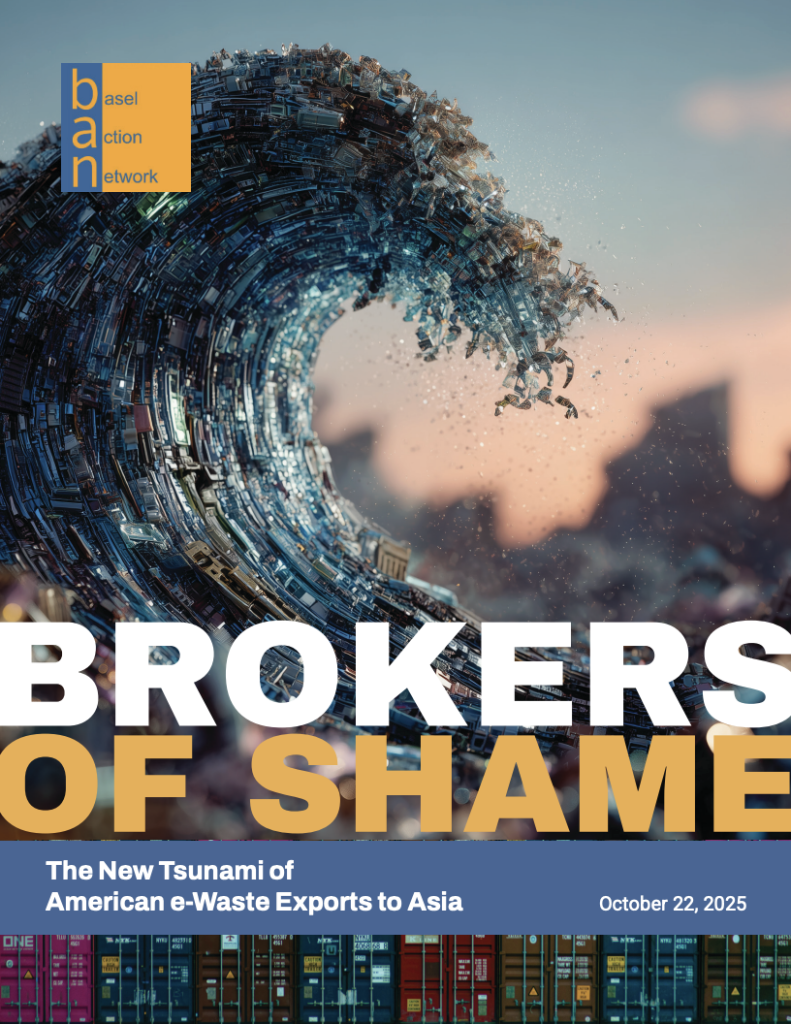
Report entitled Broker of Shame published by Basel Action Network (Source: Basel Action Network, 2025)
The report documents how Wai Mei Dat/Corporate eWaste Solutions (CEWs) has been using three of its certified US facilities to funnel e-wastes offshore, most notably to the PT Esun site in Batam. In 2018, the same company was caught importing massive amounts of American e-waste into Thailand before the Thai government finally shut them down.[3]
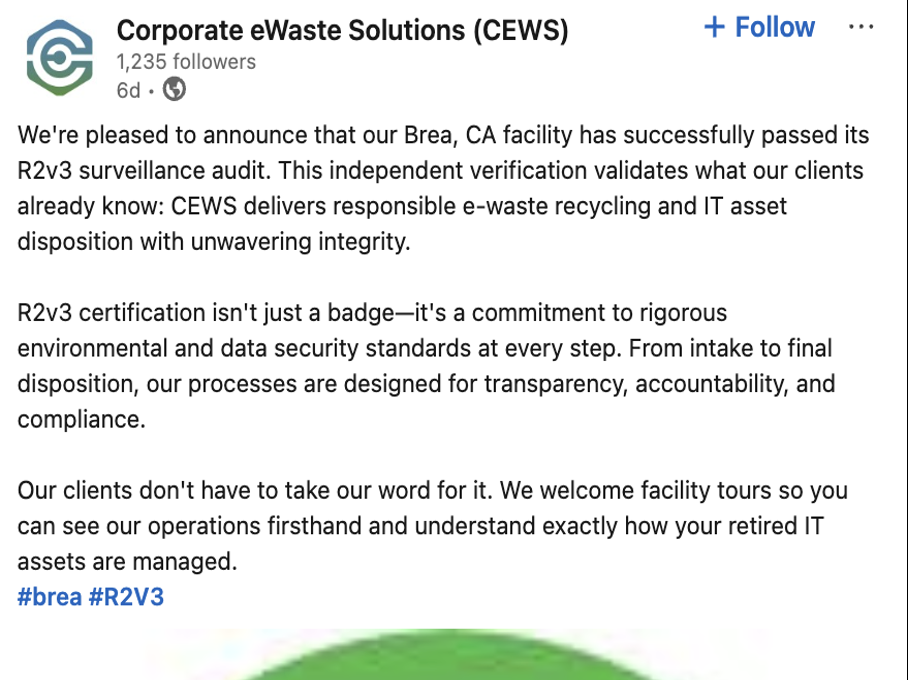
Under the terms of the Basel Convention that controls the transboundary movement of hazardous wastes, Basel Party countries like Thailand, Malaysia and Indonesia cannot legally import e-wastes from a non-Basel Party country like the US. However, regardless of Basel status, voluntary certifications such as R2 and e-Stewards which are held by many US recyclers do not allow their certified recyclers to violate international and domestic laws via exportation. Yet, just last week (December 6), CEWs boasted on the social media platform “LinkedIn” that they had just passed their R2 Standard surveillance audit begging the question of how they retained their Certified status.
In late September 2025, Indonesian environmental minister Hanif Faisol Nurofiq attempted to close down PT Esun International Utama in Batam for illegally importing and processing hazardous e-waste without proper notification and permits — a violation of Indonesian environmental law and the Basel Convention.[5] However, his team’s planned enforcement action failed after workers and others reportedly gathered at the factory entrance, barring government entry. To date, the plant remains open but has not been allowed to bring in incoming wastes.
“Allowing this outlaw company operating at Pt Esun to scare the government away from doing its job to protect the environment of Indonesia is infuriating and pathetic,” said Yuyun Ismawati, of the Indonesian environmental NGO Nexus3 Foundation. “We have seen this as a common practice now in many sectors. Is Indonesia going to be ruled by the law, or by thugs?” she asked.
BAN, the Nexus3 Foundation and Ecoton of Indonesia echo the calls recently made by local journalists and others.[6] They find the solution to the problem very clear — follow the law.
Recommendations for Indonesian government:
- The wastes have been imported into Indonesia illegally as they violate the prohibition on trading in Basel-controlled wastes (A1181 — hazardous electronic waste, and Y49 (all other electronic wastes) between Basel Parties, such as Indonesia, and non-Parties, such as the US (Article 4(5)).
- The wastes have been imported into the country illegally as they arrived without the requisite notification and consent by Indonesian authorities (Article 4(1)(c)). This constitutes illegal traffic under international law – the Basel Convention (Article 9).
- Under the Basel Convention, illegal traffic is deemed a criminal act (Article 4(3)).
- As a criminal act, the importers and those aiding and abetting them must be prosecuted in court. They must be shut down at once and their assets seized to pay for the container repatriation and government costs.
- Shipping lines are not immune from responsibility under the Basel Convention and should be required to pay for the demurrage and repatriation charges as they allowed the illegal shipment into the country.
- Under Article 9(2) of the Convention, the wastes in question should be repatriated to the US or other country of origin. The competent authorities of these countries should be notified. The costs of return and the actual return arrangements should be borne by the shipping lines and importers. All repatriation and container numbers of the returned waste must be revealed to the public to prevent the wastes ending up in third countries.
- Information regarding any fraud, including the use of false declarations on the shipments, should be communicated to the public, to the shipping lines involved, to the exporting country government and other relevant government and intergovernmental authorities.
Recommendations for the United States Federal and State governments and other stakeholders:
- The US should ratify the Basel Convention at the earliest opportunity.
- The US Department of Justice (DOJ) should prosecute exporters engaging in any form of fraud, including falsely declaring exported wastes.
- State governments, for example, California, should not allow any companies that violate the laws of importing countries, such as Indonesia, into their electronic waste state takeback programs.
- Voluntary certifications that have not already done so, should forbid the certification of the 10 Brokers of Shame, and forbid certified companies from being involved with the 10 brokers directly or downstream, as well as with any companies whose operations violate the laws of importing countries.
- Major corporations, institutions, and government bodies should not allow themselves to become customers, directly or indirectly, of the 10 Brokers of Shame or any other companies found violating the laws of importing countries such as Indonesia.
References:
[1] https://en.tempo.co/read/2072122/batam-ports-flooded-with-822-containers-of-illegal-e-waste?utm_source=chatgpt.com https://www.thejakartapost.com/indonesia/2025/12/01/batams-batu-ampar-congestedas-759-e-waste-containers-disrupt-cargo-traffic.html
[2]https://www.ban.org/plastic-waste-transparency-project-hub/operation-can-opener
[3] https://resource-recycling.com/e-scrap/2018/05/24/ban-tracks-e-scrap-from-europe-to-thailand/, https://theaseanpost.com/article/e-waste-chokes-southeast-asia,__https://www.nationthailand.com/perspective/30347366
[4] https://www.linkedin.com/posts/cewsb2b_brea-r2v3-activity-7402786636012650496-gytO/?utm_medium=ios_app&rcm=ACoAAALGbAIBPFOURW8p6NSUA_MzoCBa_xFiEWo&utm_source=social_share_send&utm_campaign=whatsapp
[5] https://www.thejakartapost.com/indonesia/2025/09/27/no-discussion-on-pt-esuns-permit-related-to-dangerous-waste-says-bp-batam.html
[6] https://en.tempo.co/read/2069104/willing-to-become-the-worlds-largest-garbage-dump

 Ecoton (Ecological Observation and Wetlands Conservation) is a foundation focused on the conservation of river ecosystems and wetlands in Indonesia. We conduct scientific research, environmental education, and awareness campaigns to improve water quality and protect biodiversity.