92% of Generation Z in East Java still use single-use plastics, while only 16 out of 38 regencies/cities in East Java have regulations restricting plastic use.This situation has prompted the East Java Generation Z Network Against Single-Use Plastics (JEJAK) to urge the East Java Provincial Parliament (DPRD) to immediately draft a Regional Regulation on Single-Use Plastic Reduction as a unified legal framework.
Surabaya (2/2) – Coinciding with the commemoration of World Wetlands Day (2 February 2026), Ecoton, together with the East Java Generation Z Network Against Single-Use Plastics (JEJAK), held an audience with the East Java Provincial Parliament (DPRD) to advocate for the drafting of a Provincial Regional Regulation on the Restriction of Single-Use Plastics (SUP).
The audience with the East Java Provincial Parliament (DPRD) was attended by 50 members of Generation Z from across East Java, as a response to the increasingly severe plastic and microplastic crisis in the region—particularly the damage to the Brantas River caused by large amounts of plastic waste in the river body and along its banks. This situation is exacerbated by the absence of a provincial policy framework that could serve as a unified legal umbrella for regencies and cities.
92% of Generation Z East Java Still Use Single-Use Plastics
Based on the results of the Generation Z Perception Survey on Single-Use Plastic Use conducted by JEJAK from June 2025 to January 2026, involving 1,000 respondents consisting of senior high school students and university students living in 15 regencies/cities in East Java – namely Surabaya, Gresik, Sidoarjo, Mojokerto, Lamongan, Jember, Situbondo, Probolinggo, Bondowoso, Banyuwangi, Nganjuk, Malang, Lumajang, Kediri, and Tulungagung.
The survey results show that 92% of respondents still use single-use plastics, such as bottled drinking water, sachets, plastic bags, and plastic cups. This figure reflects the high level of dependence of Generation Z on single-use plastics (SUP), even though they are aware of their negative impacts.

JEJAK’s survey also recorded that 83% of respondents are aware that plastic can degrade into microplastics smaller than 5 mm, and 97% of respondents understand the health impacts of microplastics, which are harmful to the human body and damaging to ecosystems. This high level of awareness has encouraged behavioral changes, including:
- 61% have replaced bottled drinking water with reusable tumblers
- 18% have replaced styrofoam and single-use packaging with reusable food containers/lunch boxes
- 13% have reduced the use of plastic bags and switched to tote bags
- 5% have stopped burning plastic waste
- 2% have stopped using plastic straws, and
- 1% stated they are ready to stop using sachet packaging altogether
Without a Provincial Regional Regulation, Plastic Control in East Java Will Never Achieve National Targets
Policies on restricting and reducing single-use plastics in East Java remain weak and unevenly implemented. Out of a total of 38 regencies/cities, only 16 regions currently have legal instruments regulating plastic restrictions—and even then, the sanctions are generally weak. Some measures lack binding legal force and are limited to appeals in the form of Circular Letters (SE).

The limited number of binding Regional Regulations (Perda) indicates the absence of a uniform policy standard, allowing areas without regulations to become weak points in controlling plastic waste and microplastic contamination. This is despite the fact that single-use plastic reduction has been designated as a national priority, with a target of 100% waste management by 2029 as outlined in the National Medium-Term Development Plan (RPJMN) 2025–2029.
“The East Java Provincial Government has not yet translated its commitment to plastic reduction into a Provincial Regional Regulation as a master policy framework, unlike Bali Province, which has strengthened plastic restrictions through regulations and follow-up policies. This situation underscores the urgency of establishing a Provincial Regulation on Single-Use Plastic Restrictions to ensure that plastic reduction efforts are implemented uniformly, measurably, and effectively across East Java, while also guaranteeing the protection of human rights, particularly for vulnerable groups such as waste pickers who bear the greatest impacts of plastic pollution, health risks, and unsafe working conditions resulting from poor plastic waste management” Mohammad Alaika Rahmatullah, Advocacy Manajer of Ecoton and Coordinator of JEJAK (East Java Generation Z Network).
Gen Z Is Ready to Act, but Needs Regulation
Although awareness and positive behaviors have begun to take shape, control of single-use plastics at the provincial level remains weak due to the lack of regulation.

“What is needed right now is legal certainty to shape culture. Indonesians tend to change when they are compelled—habits will follow once rules force reductions in plastic use,” said Fildza Sabrina Vansyachroni, Coordinator of the Replazt Community at Universitas Negeri Jember.
Fildza further pointed to the success of other countries. Japan, for example, has been able to manage waste effectively through clear regulations, disciplined waste separation starting at the household level, and strong social sanctions. In Germany, the Extended Producer Responsibility (EPR) regulation requires producers to take full responsibility for the packaging they generate, including covering the costs of its management.
Policy Demands

During the audience with the East Java Provincial Parliament (DPRD), JEJAK presented five main demands, as outlined in the policy brief:
- Provincial Regulation as a Master Policy Framework: Urgently calling for the establishment of a Provincial Regulation on Single-Use Plastic Restrictions as a unified legal umbrella for all regencies and cities, adopting an upstream–downstream approach, from restricting production and distribution to post-consumption management.
- Measurable Reduction Targets: Establish clear, measurable, and time-bound provincial targets for reducing single-use plastics, accompanied by mandatory reporting and periodic monitoring by regencies and cities using uniform indicators.
- Control of Single-Use Plastic Production and Distribution: The Provincial Government needs to play an active role in controlling the volume of plastics entering the market, including conducting strict evaluations of “plastic alternative” claims (such as biodegradable, oxo-degradable, and bio-based plastics) to ensure they do not create new environmental problems.
- Investment in Reuse Infrastructure and Systems: Allocate provincial budget funding for the development of reuse systems, such as refill stations, standardized reusable containers, and return systems, as a prerequisite for the effective reduction of single-use plastics.
- Strengthening Oversight and Public Participation: Establish fair and enforceable oversight and sanction mechanisms, while involving civil society, academics, community groups, and young people in policy monitoring and public education efforts.
Positive Response from the Regional Regulation Formation Body (BAPEMPERDA) of the East Java Provincial Parliament
The audience between the East Java Generation Z Network Against Single-Use Plastics and the Regional Regulation Formation Body (Bapemperda) of the East Java Provincial Parliament, attended by Freddy Poernomo (Member of Bapemperda) and Yordan Batara Goa (Chair of Bapemperda), resulted in an initial commitment to push for the establishment of provincial-level regulations on the reduction of single-use plastics
The East Java Provincial Parliament (DPRD) agreed that plastic constitutes a serious crisis with direct impacts on human health and the environment. The Chair of Bapemperda DPRD East Java, Yordan Batara Goa, emphasized that within the context of regional autonomy, provinces have strategic regulatory authority.
“We are now in the era of regional autonomy. Provinces can intervene through their authority for example, by regulating plastic reduction in schools, hospitals, and regionally owned enterprises (BUMD),” said Yordan during the audience.

During the meeting, the East Java Provincial Parliament also acknowledged the long-standing challenges of regulatory governance. Yordan stated that East Java is experiencing what he described as “regulatory obesity,” where many regulations already exist but their implementation remains weak.
“We are experiencing regulatory obesity—there are many rules, but their implementation is far from optimal. Going forward, these regulations need to be streamlined and evaluated, including those related to waste management and plastic reduction,” he asserted.
He also emphasized the need for a policy paradigm shift from recycling toward a zero-waste approach. The East Java DPRD expressed openness to revising existing regional regulations with substantive changes exceeding 50 percent through the preparation of an Academic Paper (Naskah Akademik). This process will be supported by cross-sectoral studies covering health, economic, and ecological aspects, as well as follow-up meetings with relevant government agencies and civil society.
“We will convey and push this initiative forward, ideally all the way to the establishment of a regional regulation. If realized, East Java could become the first province to do so—of course, with strong political will from both the executive and legislative branches,” Yordan concluded.
About Jejak
The East Java Generation Z Network Against Single-Use Plastics (JEJAK) is a coalition of Generation Z youth communities in East Java that works to promote the reduction of single-use plastics and to advocate for fair and sustainable waste management systems that prioritize environmental protection and human health.
JEJAK was formed out of a shared awareness among young people of the plastic pollution crisis, particularly in rivers, coastal areas, and community living spaces, which directly impacts environmental quality, water sources, and public health. This coalition serves as a platform for cross-regional grassroots consolidation in East Java, strengthening policy advocacy, public campaigns, environmental education, and oversight of plastic and microplastic pollution.
The East Java Generation Z Network Against Single-Use Plastics (JEJAK) is a coalition of Generation Z youth communities in East Java, consisting of 18 member communities and organizations, including:
- Ecoton Foundation
- Grow Green Surabaya Community
- Ronda Sungai Surabaya Community
- Forum Kali Brantas Kediri Community
- River Warrior Gresik Community
- No Waste Surabaya Community
- Info Mistik Gresik Community
- Jurnal Tasya Gresik Community
- Envigreen Society Malang
- Aksi Biroe Malang Community
- MARAPAIMA Malang Community
- Replazt Community (Gen Z Zero Waste Agents), Jember
- Zero Micro Surabaya Community
- Cakra Greenlife Malang Community
- Nature Surabaya Community
- BersediaPulih Madura Community
- Posko Ijo Association
- Brantas River Conservation Network
- Alliance of Riverbank Protection Communities (AKAMSI)
Contact Person
Alaika Rahmatullah – alaika@ecoton.or.id
Ecoton Advocacy Manager and Jejak Coordinator

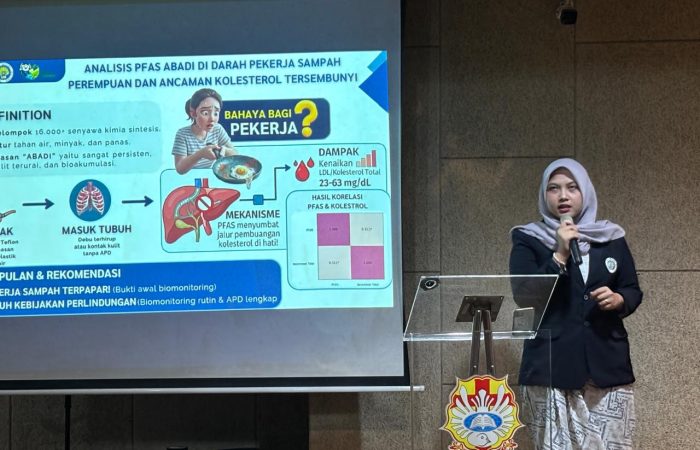
 Ecoton (Ecological Observation and Wetlands Conservation) is a foundation focused on the conservation of river ecosystems and wetlands in Indonesia. We conduct scientific research, environmental education, and awareness campaigns to improve water quality and protect biodiversity.